

Anxiety
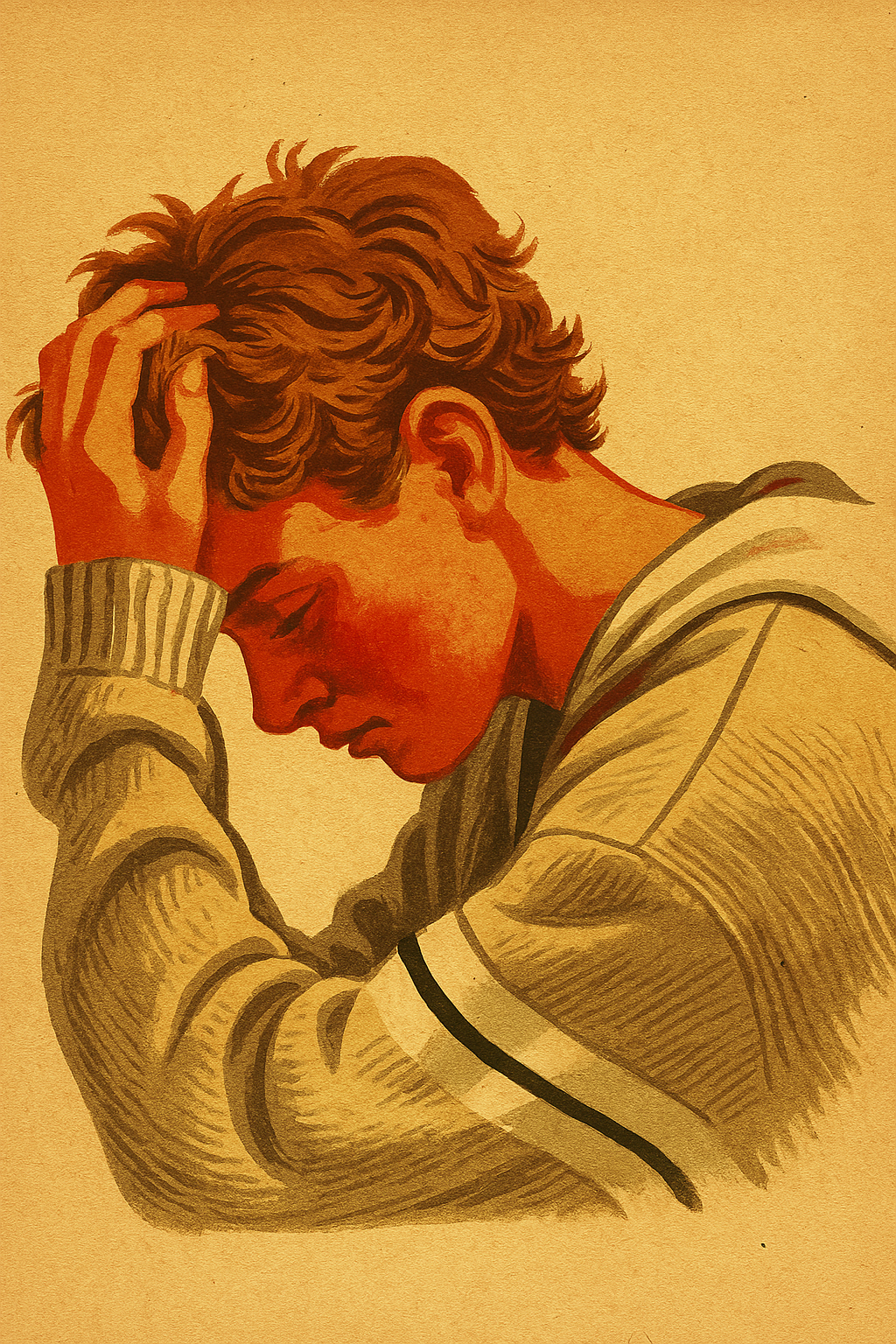
Anxiety is one of the most common mental health concerns in Australia, affecting people of all ages and backgrounds. It can involve excessive worry, restlessness, difficulty concentrating, irritability, or physical symptoms such as a rapid heartbeat, muscle tension, and disrupted sleep. While mild anxiety is a normal response to stress, persistent or intense anxiety can interfere with work, relationships, and overall quality of life.
There are several forms of anxiety, including Generalised Anxiety Disorder, Social Anxiety Disorder, Panic Disorder, and specific phobias. Some people also experience anxiety linked to health concerns, traumatic experiences, or ongoing pressure to perform. If left unaddressed, anxiety can become more entrenched, leading to avoidance, burnout, or feelings of hopelessness.
Anxiety affects more than just thoughts. It can influence the body, behaviour, and emotions. Evidence-based therapies can help by identifying the factors that maintain anxiety and developing practical strategies to reduce unhelpful thinking patterns, manage physical symptoms, and build a greater sense of confidence and control.
Symptoms of anxiety can vary, and some of these include:
Excessive worrying or fears of everyday situations
Restlessness or feeling on edge
Fatigue and difficulty concentrating
Irritability
Muscle tension
Sleep disturbances
Physical symptoms such as rapid heartbeat, sweating, or shortness of breath
Seeking support may feel daunting, particularly when anxiety undermines self-trust or makes it difficult to reach out. However, Recognising the signs and seeking support is the first step toward finding relief. Psychological intervention provides a respectful, collaborative environment where treatment is tailored to individual needs. Sessions may take place face-to-face or online, depending on what feels most comfortable.
There are different types of anxiety disorders, and seeing a psychologist can offer diagnostic clarity, and easing the weight of anxiety by providing tools to manage it more effectively.