

Complex Trauma (C-PTSD)
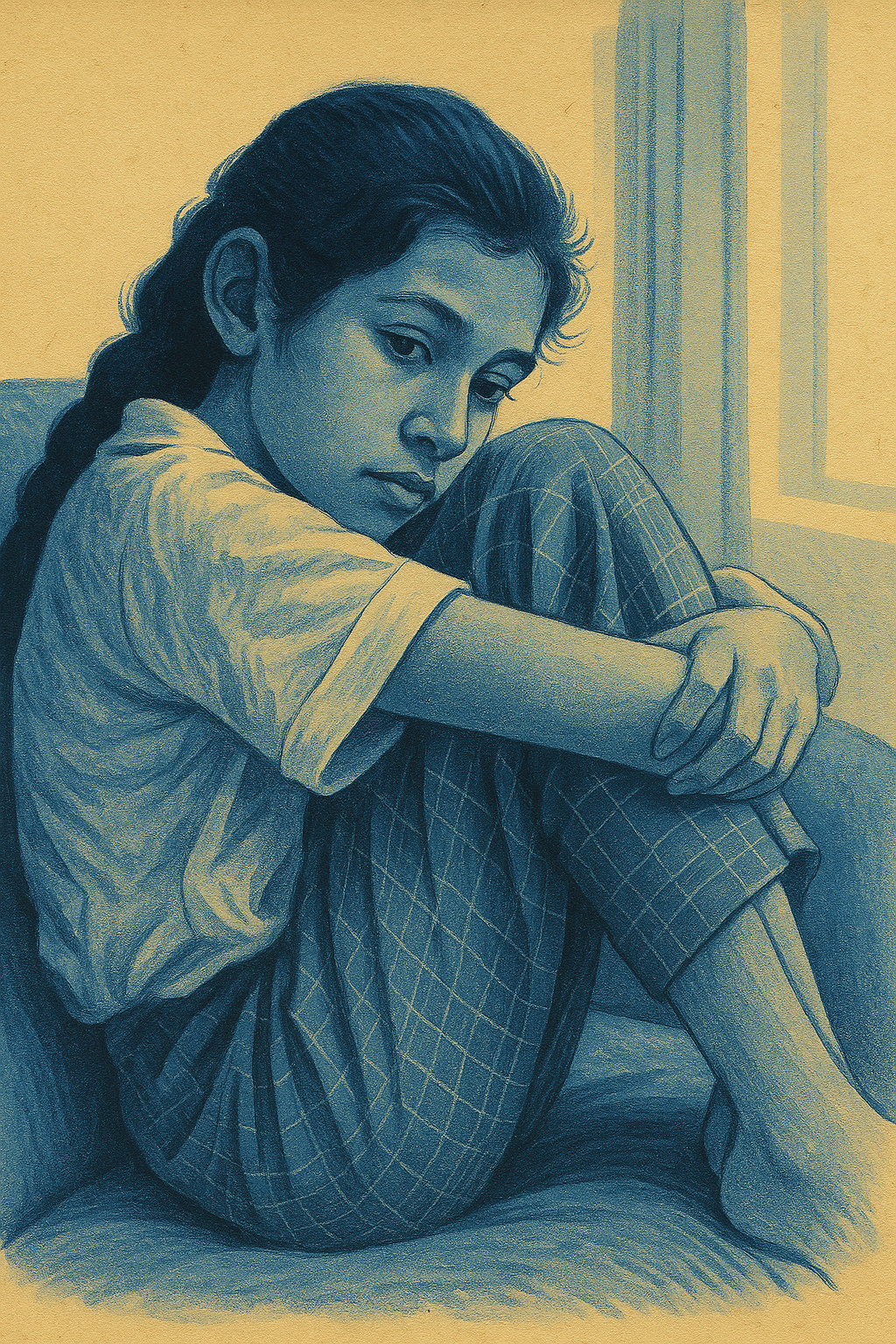
Complex Post-Traumatic Stress Disorder (C-PTSD) can develop after prolonged or repeated exposure to traumatic experiences, often in situations where a person felt powerless, trapped, or unable to escape. These experiences may include childhood neglect, emotional, physical, or sexual abuse, domestic violence, or ongoing exposure to instability and fear. Unlike PTSD, which typically follows a single traumatic event, C-PTSD arises from long-term trauma that deeply impacts identity, self-worth, and relationships.
Living with C-PTSD can involve a wide range of symptoms. People may experience flashbacks, nightmares, or intrusive memories, along with persistent feelings of shame, guilt, or worthlessness. Intense emotions such as anger, fear, or sadness can surface suddenly and feel difficult to regulate. Many individuals also struggle with chronic anxiety, depression, or a sense of being constantly on edge. Difficulties trusting others, maintaining relationships, or feeling safe in the world are also common.
C-PTSD does not only affect the mind. It can influence the body through ongoing tension, sleep disturbances, fatigue, or physical health problems linked to stress. The condition often leaves people feeling disconnected from themselves and others, leading to patterns of isolation, self-criticism, or self-destructive behaviours.
Recovery from C-PTSD is not about revisiting traumatic memories indiscriminately or forcing emotional exposure. Effective treatment focuses on restoring emotional regulation, reducing trauma-driven threat responses, and strengthening a stable sense of self. Over time, therapy aims to improve day-to-day functioning, increase tolerance for emotional and interpersonal stress, and reduce the intensity and frequency of trauma-related reactions. Progress is measured through greater emotional stability, improved relationships, clearer self-boundaries, and a reduced sense of living in constant survival mode. With structured, trauma-informed psychological support, individuals can regain a sense of agency, safety, and continuity in their lives, allowing the past to hold less power over present functioning.