

Addiction
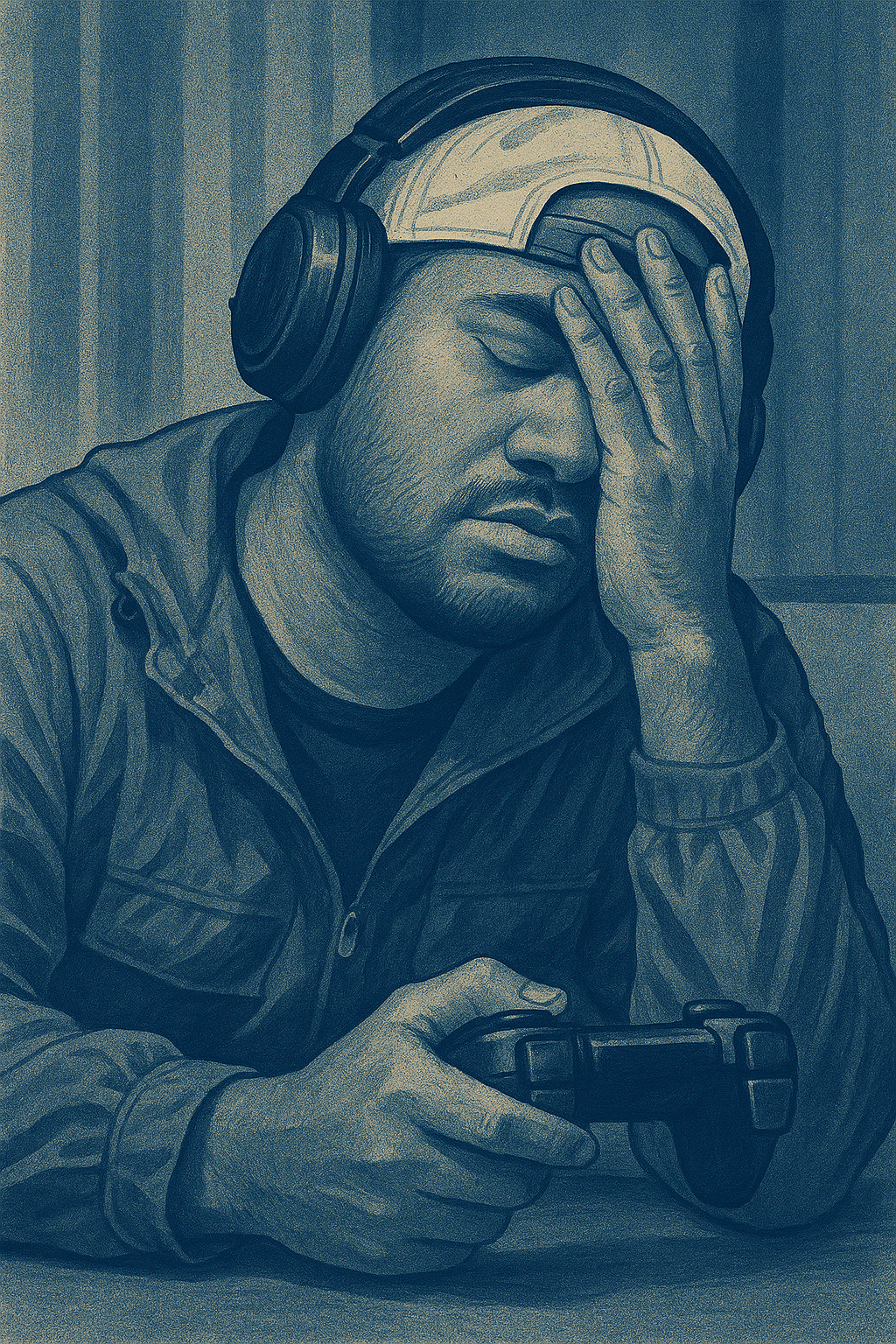
Addiction is a complex and treatable difficulty that can affect how a person thinks, feels, and behaves over time. It often involves feeling caught in patterns of substance use or behaviours that provide short-term relief or escape but lead to ongoing distress and negative consequences in daily life. Addiction can affect people from all backgrounds and may develop gradually, making it difficult to recognise or change without support.
People experience addiction in different ways. Many describe a strong urge or pull toward a substance or behaviour, followed by temporary relief, numbness, or reward. Over time, this cycle is often accompanied by guilt, shame, or frustration, particularly when attempts to cut back or stop have not been successful. Addiction can begin to affect mental and physical health, strain relationships, and interfere with work, study, or financial stability. It is also common for addiction to occur alongside anxiety, depression, or stress, which can intensify the sense of being stuck.
Addiction is not a sign of weakness or a lack of willpower. It is influenced by a range of factors, including brain-based learning processes, emotional regulation difficulties, past experiences, trauma, and current life stressors. Understanding what is maintaining addictive patterns in the present is an important step toward meaningful and sustainable change.
How Psychology Can Help with Addiction
Psychological treatment for addiction focuses on understanding the role substances or behaviours play in your life and developing healthier ways of coping with emotions, stress, and urges. Working with a qualified psychologist provides a non-judgemental and confidential space to explore these patterns and build practical strategies for change.
As a psychologist in Canberra, therapy for addiction may involve:
Understanding triggers, urges, and habitual patterns
Developing strategies to manage cravings and high-risk situations
Addressing underlying emotional difficulties such as stress, anxiety, or low mood
Strengthening self-control, self-compassion, and decision-making skills
Supporting long-term change and relapse prevention
Treatment is tailored to your individual circumstances, goals, and the type of addiction involved, using evidence-based approaches appropriate for substance-related and behavioural addictions.
Addiction can feel overwhelming and isolating, particularly when it begins to affect self-trust or important areas of life. With the right psychological support, many people are able to reduce harmful patterns, regain a sense of control, and move toward a more balanced and fulfilling life. If you are seeking support from an experienced psychologist in Canberra CBD, professional help is available.