

Personality Disorders
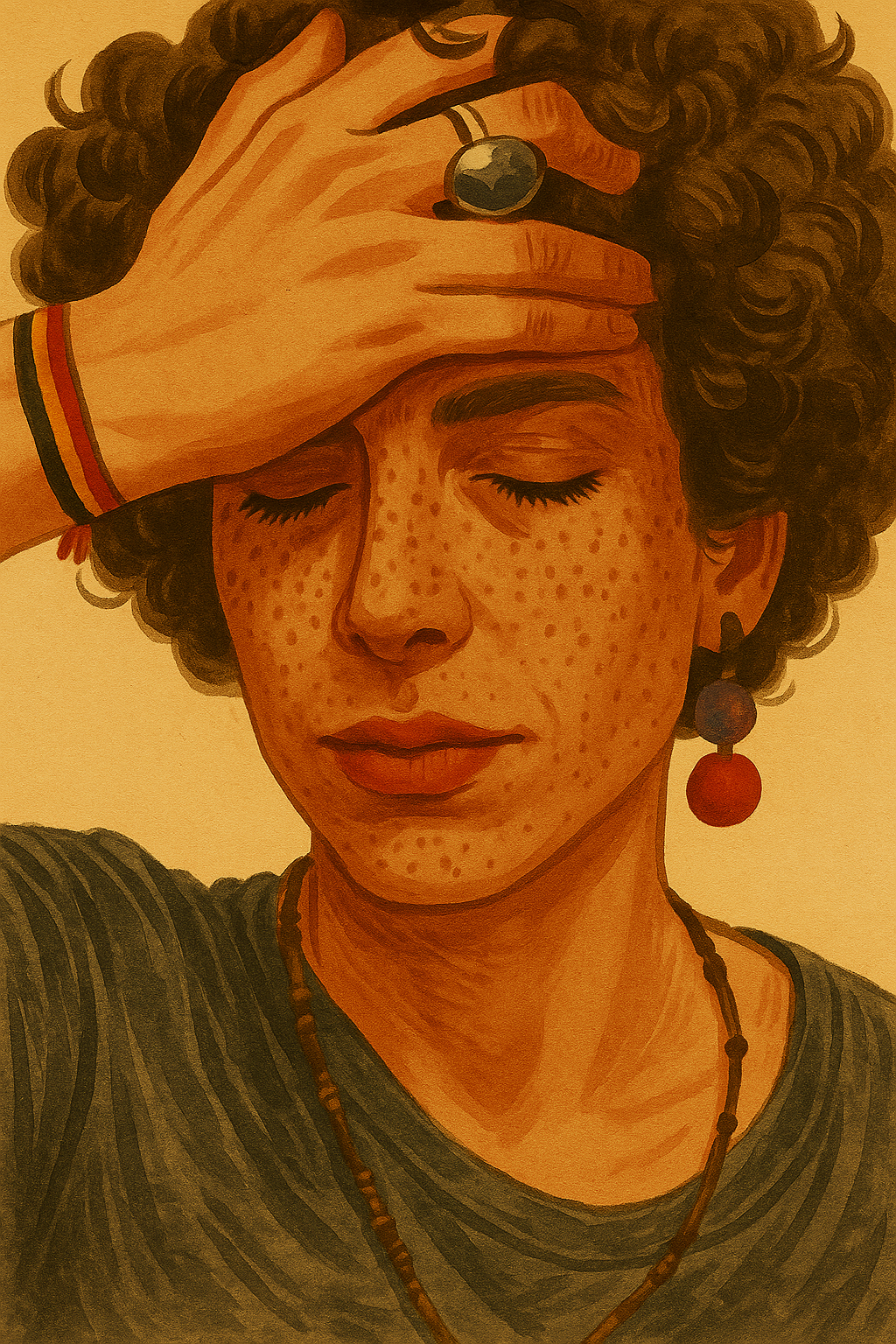
Personality disorders involve long-standing patterns of thinking, feeling, and behaving that differ markedly from cultural expectations and create persistent difficulties in daily life. These patterns typically emerge in adolescence or early adulthood and tend to remain stable over time. Unlike short-term emotional difficulties, personality disorders affect how a person relates to themselves, manages emotions, and engages with others across many situations.
There are several recognised forms of personality disorder, with differing presentations. Some are characterised by heightened sensitivity to rejection, fear of abandonment, or unstable self-image. Others involve rigid perfectionism, difficulty adapting to change, emotional detachment, or pervasive mistrust of others. Despite these differences, a shared feature is the way these patterns interfere with relationships, work functioning, and overall psychological wellbeing.
Living with a personality disorder is often exhausting. Many people experience intense or rapidly shifting emotions, ongoing self-criticism, confusion about identity, or repeated cycles of conflict, withdrawal, or instability in relationships. It is common for personality-related difficulties to co-occur with anxiety, depression, trauma-related symptoms, or substance use. Over time, these overlapping challenges can reinforce one another and significantly reduce quality of life.
Personality disorders are not a sign of weakness, moral failure, or lack of effort. They reflect enduring patterns that developed over time, often shaped by early relationships, environmental stressors, and temperament. Understanding these patterns can reduce self-blame and help make sense of difficulties that have felt repetitive, confusing, or resistant to change.
How Psychology Can Help with Personality Disorders
Working with a psychologist focuses on understanding how entrenched patterns developed, how they continue to operate in the present, and how they affect emotions, behaviour, and relationships. Therapy is structured and gradual, with an emphasis on increasing emotional regulation, psychological flexibility, and interpersonal stability rather than attempting rapid or superficial change.
As a psychologist in Canberra, therapy for personality-related difficulties may involve:
Identifying recurring patterns in emotions, relationships, and self-evaluation
Developing skills to manage intense emotions and interpersonal stress
Reducing rigid, self-defeating, or maladaptive thinking patterns
Improving boundaries, communication, and relationship stability
Building a more coherent, stable, and compassionate sense of self
Progress in therapy is reflected in improved emotional control, fewer relational crises, increased capacity to tolerate stress, and greater flexibility in responding to challenges. While personality disorders involve enduring traits, meaningful and lasting change is possible through consistent, evidence-based psychological treatment that targets both emotional regulation and long-standing behavioural patterns.