

Sexuality Diverse Challenges - LGBTQ+
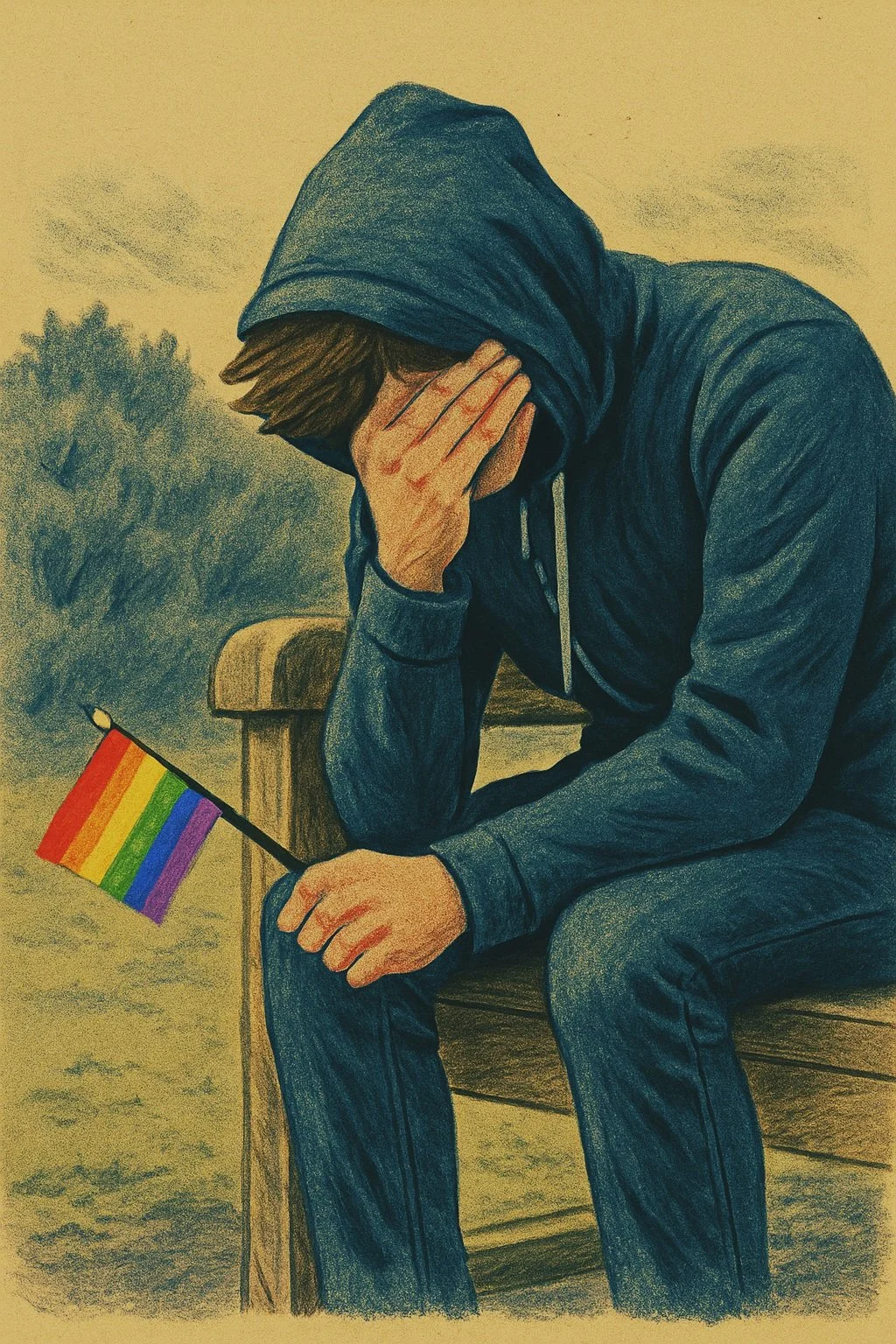
People who identify as lesbian, gay, bisexual, transgender, queer, questioning, or otherwise outside dominant sexual or gender norms often navigate unique psychological stressors alongside strengths and resilience. While embracing one’s identity can be affirming, many individuals continue to encounter stigma, misunderstanding, exclusion, or subtle invalidation that affects emotional wellbeing and daily functioning.
A common challenge involves ongoing vigilance around safety and disclosure. Many people find themselves constantly assessing who it feels safe to be open with, how family or colleagues may respond, or whether acceptance can be assumed in particular environments. Over time, this sustained stress can contribute to anxiety, low mood, emotional exhaustion, and reduced self-worth. For trans and gender-diverse individuals, additional challenges may include misgendering, lack of recognition, or barriers to accessing appropriate and affirming care.
Experiences of rejection, bullying, or repeated invalidation can leave lasting psychological effects, even when current circumstances are more supportive. These experiences often shape patterns in relationships, trust, self-expression, and emotional regulation. Distress in this context does not reflect a problem with identity itself, but rather the cumulative impact of navigating a world that has not always been safe or affirming.
How Psychology Can Help with LGBTQ+ Related Concerns
An LGBTQ+ affirming therapeutic approach recognises these realities while maintaining a clear psychological focus. Therapy provides a confidential, respectful space to explore how identity-related stress has affected emotional health, relationships, and self-concept, without pathologising identity or directing clients toward any particular outcome.
As a psychologist in Canberra, therapy in this area may involve:
Processing the psychological impact of discrimination, rejection, or chronic vigilance
Reducing shame, self-doubt, or internalised negative beliefs
Supporting decisions around disclosure, boundaries, and relationships
Strengthening emotional regulation and self-acceptance
Building a more secure and integrated sense of identity
Progress in therapy is reflected in reduced distress, improved confidence in relationships, greater emotional stability, and an increased capacity to live in ways that feel authentic and sustainable. Psychological support in this context is not about changing who you are, but about reducing the psychological cost of having to protect or conceal parts of yourself over time.