

Conduct Difficulties
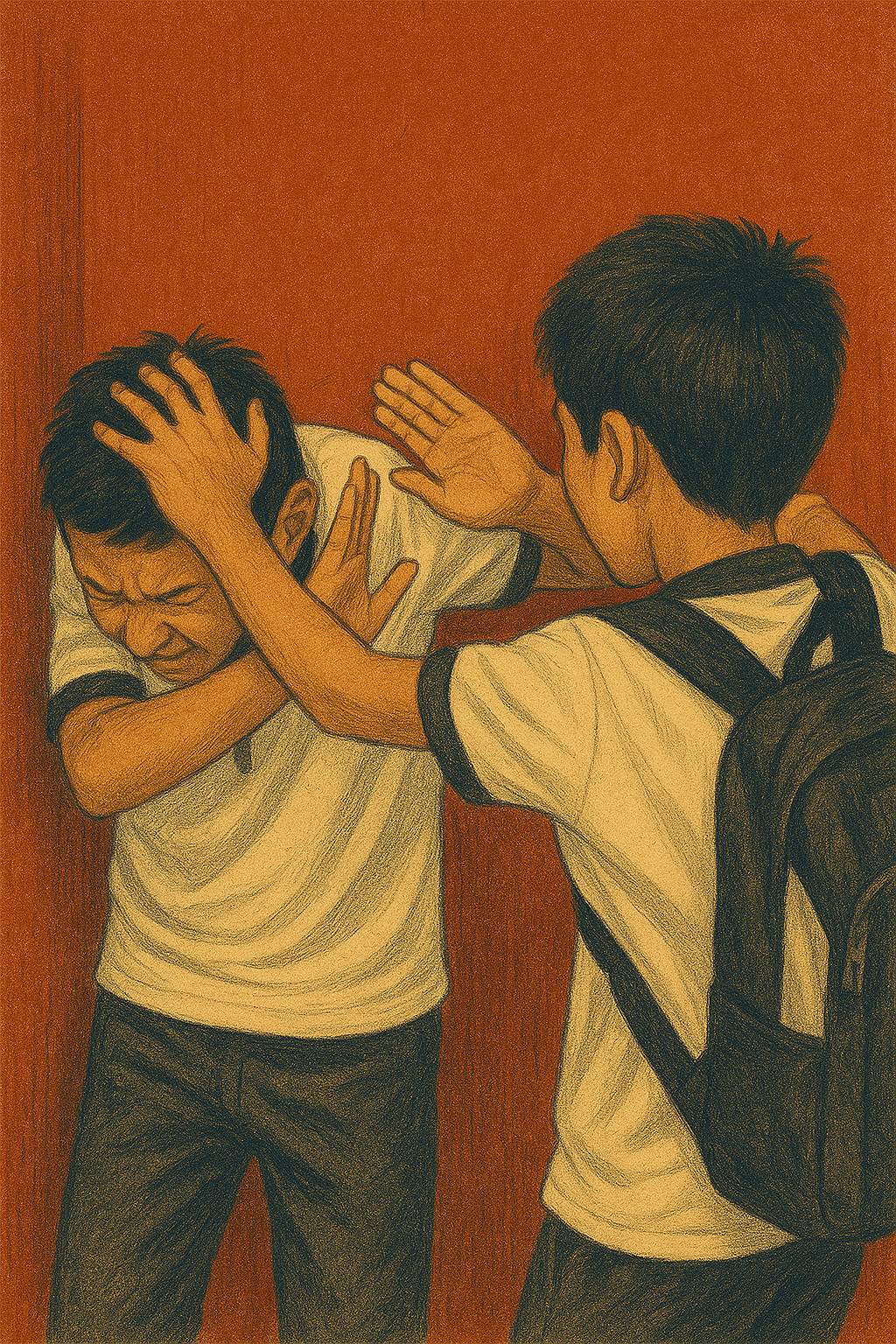
Conduct difficulties refer to persistent patterns of behaviour that are disruptive, oppositional, or harmful to others. These behaviours go beyond occasional missteps or rule-breaking and are evident across settings such as home, school, and community. They may involve frequent arguments with adults, defiance of rules, aggression toward peers or siblings, destruction of property, lying, or stealing.
For children and adolescents, these behaviours often signal underlying struggles with impulse control, emotional regulation, and problem-solving. Outbursts of anger, frustration, or disregard for authority can create a cycle of conflict with parents, teachers, and peers. Over time, this can damage relationships, erode trust, and leave the young person feeling misunderstood or rejected. Academic performance may decline when disruptive behaviour overshadows learning, while peer difficulties can contribute to social isolation or negative group associations.
The effects are rarely confined to the child alone. Families often report stress, tension, and exhaustion when daily life becomes dominated by arguments or behavioural incidents. Siblings may feel overlooked, while parents can experience guilt, shame, or a sense of helplessness. These pressures can intensify the very behaviours they are trying to manage, creating a difficult cycle to break.
Conduct difficulties are not simply signs of “bad behaviour”. They frequently reflect deeper issues, including exposure to trauma, inconsistent boundaries, learning difficulties, ADHD, or family stress. Recognising the behaviours as signals rather than moral failings is important in understanding what is happening.
Without support, conduct difficulties may escalate and affect a child’s self-image, emotional development, and future opportunities. Early recognition allows space to see past the behaviour, consider the underlying struggles, and create environments that foster healthier patterns of interaction and growth.