

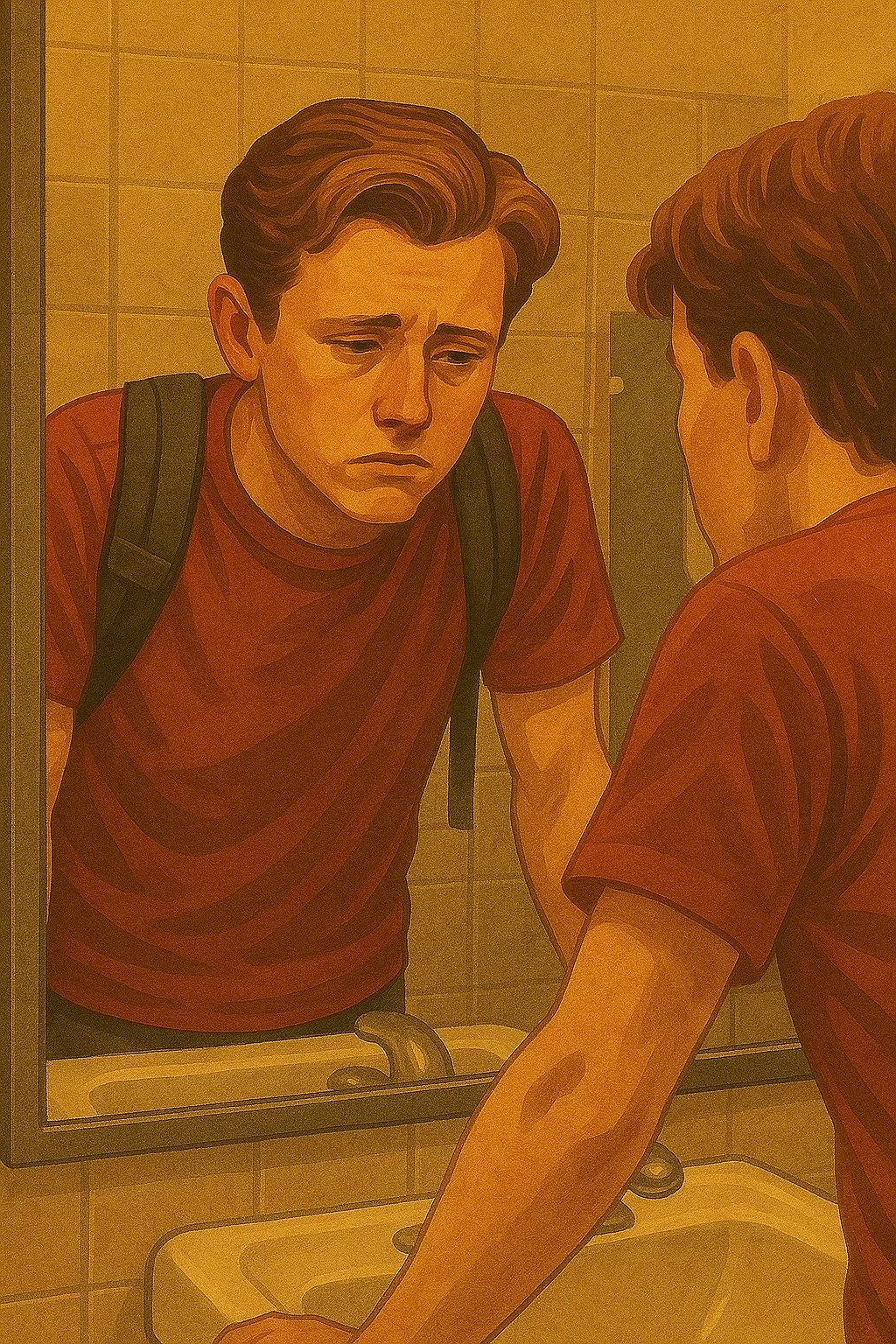
Gender Dysphoria
Gender dysphoria refers to the distress that can arise when a person’s experienced or expressed gender does not align with the sex assigned to them at birth. This incongruence can affect many areas of life, including self-image, relationships, work, and overall wellbeing. It is important to distinguish between gender diversity itself, which is not a mental health condition, and the psychological distress that can sometimes accompany it.
People experiencing gender dysphoria may feel uncomfortable with their body, distressed by being perceived as a gender that does not fit their identity, or struggle with the social and cultural pressures attached to gender expectations. These feelings can lead to anxiety, depression, social withdrawal, or a sense of disconnection from oneself and others. For some, the dysphoria is constant, while for others it comes and goes depending on circumstances such as environment, relationships, or public visibility.
Support for gender dysphoria often involves exploring identity in a safe and affirming space. Therapy can provide understanding and guidance for navigating the emotional impact of gender incongruence, strengthening self-acceptance, and identifying strategies to reduce distress. For some people, steps such as social transition, medical treatment, or gender-affirming healthcare may play an important role in reducing dysphoria and fostering wellbeing.
Living with gender dysphoria can be challenging, especially in contexts where stigma, misunderstanding, or discrimination are present. Respectful support, both from professionals and from trusted people in one’s life, is essential. With validation, care, and appropriate interventions, individuals can move toward a more authentic and fulfilling life.