Behind the Muscles: The Hidden Rise of Eating Disorders & Body Image Issues in Men
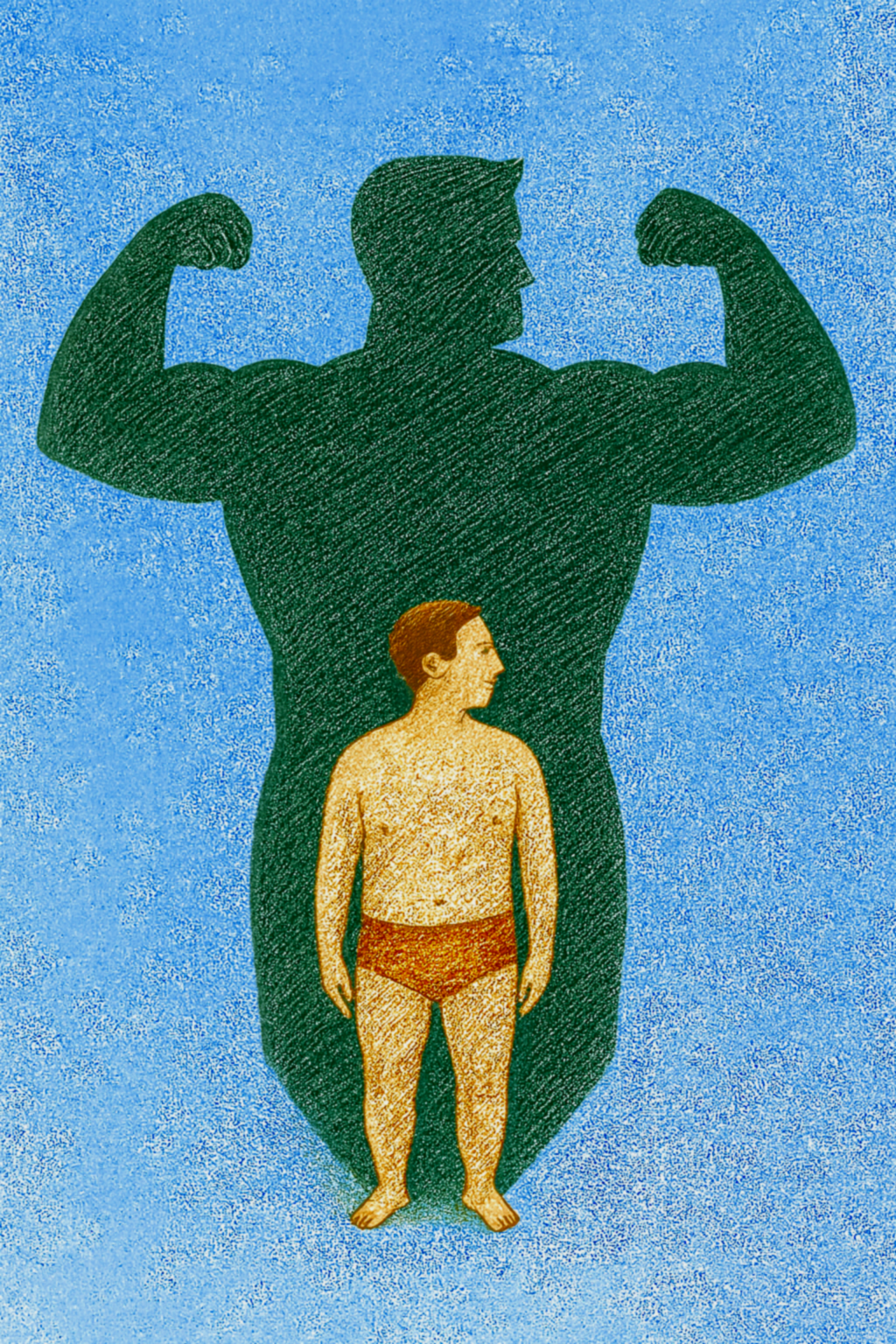
Behind the Muscles: The Hidden Rise of Eating Disorders in Men
“psst… hey… can I try out your Ozempic?”
If you scroll through social media today, you’ll find no shortage of men with chiselled physiques promising transformation. There are the shirtless fitness influencers, the “discipline-over-everything” content creators, and the gym vloggers documenting every rep and every calorie. Many present themselves as mentors. Many are trying to help. But many, too, are selling a dream that quietly distorts the way men see themselves. Some even challenge consumers by tagging “What’s your excuse?”
And behind this booming industry is a troubling truth: body image concerns and eating disorders in men are rising fast.
This rise is not happening in silence anymore, but it is still happening in the shadows. Men are far less likely to seek help, far less likely to recognise their behaviours as disordered, and far more likely to suffer alone. Yet the pressure has never been higher.
The New Shape of Masculinity
For decades, eating disorders were wrongly framed as “a women’s issue”. As a result, boys and men who were struggling often dismissed their own symptoms, or hid them, believing they didn’t fit the stereotype. But modern pressures are reshaping the landscape.
The ideal body for men has shifted from “lean and athletic” to “shredded, muscular, and permanently optimised.” Influencers sell this image as health, discipline, and ambition. They churn out content because clicks are income—this is their full-time job. The more extreme the routine, the more marketable it becomes. And so disordered behaviours are not just normalised; they’re glorified.
In this environment, men learn that it is admirable to:
• eliminate entire food groups
• fear gaining any body fat
• track every calorie and gram
• punish themselves for “missing a day”
• sacrifice social life for the gym
• chase an unattainable physique
Some call this “commitment” In reality, these behaviours often mirror the same patterns in eating disorders - only repackaged as “health and fitness”.
The Hidden Symptoms No One Talks About
For many men, the problem does not begin with thinness (though it might!). It begins with muscularity. The desire for mass, definition, and leanness becomes an obsession. They restrict food. They binge. They cycle between rigid diets and intense protein loading. Eating food is no longer about staying in the moment, enjoying the taste of the food, but rather a calories calculator that may sit on the back of one’s mind. Some turn to muscle-enhancing drugs to weight loss breakthroughs like Ozempic. Others become anxious, avoidant, irritable, or deeply ashamed of their bodies.
And because men are conditioned to appear strong, capable, and untroubled, they push these feelings inward. They tell themselves it’s fine without knowing how it’s affecting their mental health in the long term. They tell themselves it’s discipline. They tell themselves everyone else is doing the same thing. But beneath the surface sits a mix of shame, fear, sadness, and a body that feels like the enemy.
It is crucial to say clearly: consumers are NOT at fault
The men struggling with body image today are not weak, vain, or misguided - they are responding to an environment engineered to shape their insecurities. Psychological research has long shown that repeated exposure to idealised images, performance metrics, and commercialised fitness culture changes how people evaluate themselves. In this sense, men are not the creators of the problem but the recipients of its pressures. When an entire culture rewards appearance, productivity, and control, distress is not a personal failure - it is an understandable consequence of the system itself.
“It is crucial to say clearly: consumers are NOT at fault. The men struggling with body image today are not weak, vain, or misguided — they are responding to an environment engineered to shape their insecurities”
How Our Standards Became Unrealistic
These pressures are not new, but they have intensified. I often think back to being a kid in the cinema watching X-Men. When Hugh Jackman appeared on screen as Wolverine, the boys in my friendship group sat in stunned admiration. At school the next week everyone talked about how strong and “jacked” he looked. Yet it was understood as extraordinary. We admired it and then went on with our lives. What has shifted in recent years is that physiques once considered exceptional have quietly been reframed as normal. Bodies shaped by genetics, professional coaching, strict filming schedules and controlled environments are now presented to ordinary men and boys as everyday expectations. The shift from admiration to obligation is subtle, but it has changed the psychological landscape.
Many young men now feel as though they are falling short of a benchmark that was never realistic to begin with, a pressure amplified by influencers, and the media who showcase “dedication” and “discipline” without acknowledging the mental health toll, the obsession, or the hidden costs that often sit behind the image. This is especially concerning for young people. Adolescence is already a developmental stage marked by heightened self-consciousness and vulnerability. When teenagers spend their days consuming media that repeatedly implies they are not good enough, the impact compounds over time. The message becomes embedded in their developing sense of identity. The long-term consequences are not difficult to imagine.
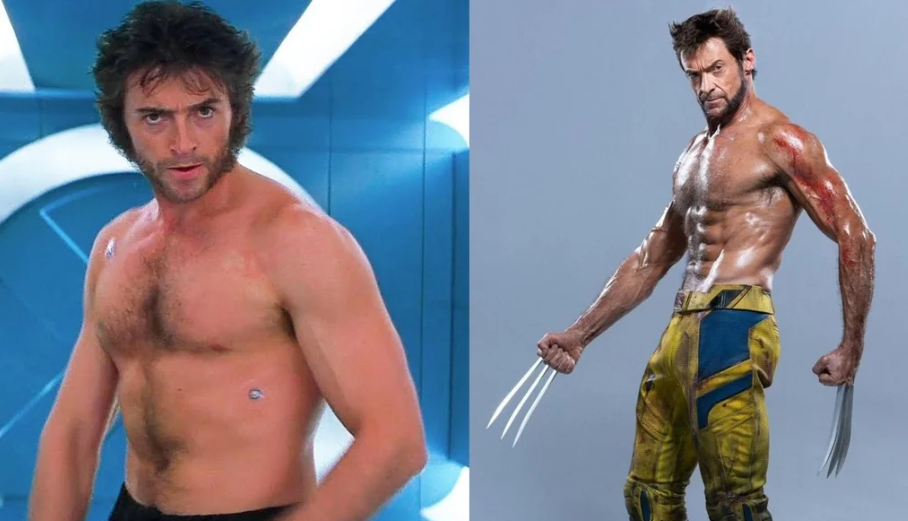
Men’s shift towards unrealistic expectations
The Profit Problem
This crisis didn’t appear out of nowhere. It is reinforced by an industry that profits enormously from insecurity. Supplements, diet plans, high-performance programs, hormone “optimisation”, and endless self-improvement packages are marketed to men as the pathway to confidence. To create urgency, many of these products rely on scientific language stripped of context - isolated statistics, cherry-picked studies, or vague references to “hormone science” and “metabolic truth”. A multi-billion-dollar economy depends on men feeling not good enough.
And so the message becomes warped. Staying active and caring for your health is unquestionably beneficial. But when wellbeing is monetised, packaged, and sold aggressively, it stops being a form of self-care and becomes a pressure system. It shifts from balanced living to performance optimisation. It becomes a business model.
The result is a generation of young men, to adults who believe they are failing if their body does not meet an increasingly unrealistic ideal - an ideal fuelled not by health, but by profit.
Why So Many Men Go Undiagnosed
Stigma is one barrier. Misconception is another. But the biggest hurdle is silence. Research suggests men are four times more likely to live with an undiagnosed eating disorder. Many have never even heard that men can develop anorexia, bulimia, binge eating disorder, muscle dysmorphia, or severe body dysmorphic symptoms.
Instead, these behaviours hide behind familiar phrases:
“I’m just bulking”.
“I’m cutting”.
“I need to earn my food”.
“I can’t skip the gym - it’s who I am”.
These are not always signs of illness, of course. But when they become rigid, punishing, or central to a man's sense of worth, something deeper is often emerging. And for boys as young as twelve, nearly one in four report significant body dissatisfaction. This is not a niche concern. It is a quiet psychological current shaping adolescence and adulthood.
For some individuals, the day becomes organised around calorie calculations, body checking (touching one’s chest), or rituals that temporarily relieve anxiety. They may spend hours in a day imagining how life would improve if they could become leaner or more muscular. Others modify their environment in ways that reinforce the obsession. Exercise equipment around the house, gym subscriptions are framed as punishment for missed sessions because “if I don’t go, I lose money”, and consuming hyper-masculine sport media becomes a form of self-motivation. On the surface these behaviours can look like health-conscious habits. In reality, for many young men, they are coping strategies that offer a sense of safety while slowly narrowing their world and identity.
What Men Need Most
The answer is not to criticise fitness, discipline, or ambition. Physical activity is essential to wellbeing. But the cultural conversation needs to shift away from aesthetic perfection and toward emotional health, balance, and self-awareness.
Men need to hear that:
• eating disorders are not a gendered issue
• seeking help does not undermine masculinity
• strength includes vulnerability
• a healthy body is not always a sculpted body
• their worth is not measured in muscle or willpower
Recovery is possible - but it starts with the ability to say, “This isn’t normal anymore. And I need support”.
A Call for a New Kind of Strength
The rise of eating disorders in men is not simply about food or fitness. It is about identity. It is about belonging. It is about living in a world that tells men to look invulnerable while quietly breaking under the weight of expectations.
It is time to create space for men to talk - not just about gains and macros, but about fear, shame, insecurity, and the pressure to perform masculinity through their bodies.
As a psychologist, I see the impact of these pressures. I see the boys and men who have been taught that suffering silently is the cost of strength. But I also see what happens when those same men finally speak. When they realise asking for help is not weakness - it is resistance against a culture that profits from their pain.
If we want healthier men, healthier boys, and a healthier society, we need to change the story. We need self-compassion instead of punishment, and genuine human connection instead of curated performance. It is also important to be clear that this article is not a criticism of initiatives addressing clinical obesity or individuals that value aesthetics. The focus here is on mental health, and on the psychological suffering that can affect people of any shape, size or body type. The goal is not to dismiss health concerns, but to recognise the emotional toll created when someone else’s marketing strategy, pursuit of clicks, and subscriber counts become the standard by which you measure your worth and identity.
If you would like to read and find out more about eating disorders in men, visit:
https://nedc.com.au/eating-disorders/eating-disorders-explained/eating-disorders-in-males
Tidus is a registered psychologist and clinical registrar working toward specialisation in clinical psychology. His writing reflects an ongoing engagement with ideas from psychology, psychiatry, and neuroscience, translated into accessible reflections on the human condition. While these pieces may draw on clinical concepts, they are not clinical advice, therapeutic guidance, or descriptions of any clinical work. They are essays intended to inform, provoke thought, and deepen understanding. They are not a replacement for psychological therapy in any shape or form.
Brown, T. A., & Keel, P. K. (2023). Eating disorders in boys and men. Annual Review of Clinical Psychology, 19(1), 177-205.
Richardson, C., & Paslakis, G. (2021). Men’s experiences of eating disorder treatment: A qualitative systematic review of men‐only studies. Journal of Psychiatric and Mental Health Nursing, 28(2), 237-250.
Bomben, R., Robertson, N., & Allan, S. (2022). Barriers to help-seeking for eating disorders in men: A mixed-methods systematic review. Psychology of Men & Masculinities, 23(2), 183.
Lavender, J. M., Brown, T. A., & Murray, S. B. (2017). Men, muscles, and eating disorders: an overview of traditional and muscularity-oriented disordered eating. Current psychiatry reports, 19(6), 32.
Halbeisen, G., Laskowski, N., Brandt, G., Waschescio, U., & Paslakis, G. (2024). Eating disorders in men: An underestimated problem, an unseen need. Deutsches Ärzteblatt International, 121(3), 86.
Sweeting, H., Walker, L., MacLean, A., Patterson, C., Räisänen, U., & Hunt, K. (2015). Prevalence of eating disorders in males: a review of rates reported in academic research and UK mass media. International journal of men's health, 14(2), 10-3149.
Dane, A., & Bhatia, K. (2023). The social media diet: A scoping review to investigate the association between social media, body image and eating disorders amongst young people. PLOS global public health, 3(3), e0001091.