Understanding Anxiety: From Everyday Worry to Anxiety Disorders, and why it’s not a Personal Failing
Understanding Anxiety: From everyday worry to anxiety disorders, and why it’s not a personal failing
Understanding Anxiety
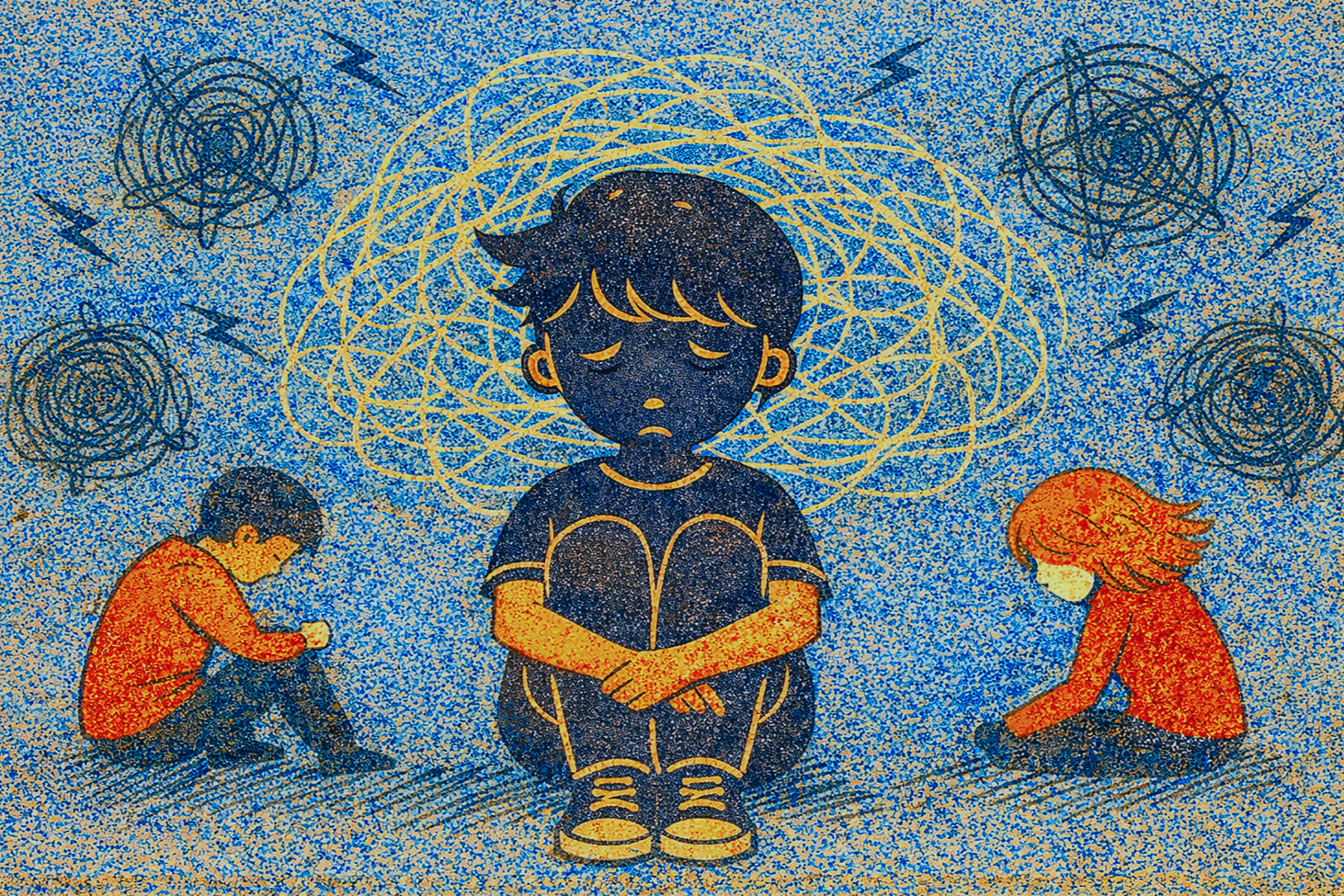
Anxiety is something many people live with long before they ever put a name to it. It often appears quietly, as a sense of tension that never fully settles, a mind that stays busy even when there is no immediate problem to solve, or a feeling of being on edge without quite knowing why. For some, it shows up as persistent “what if” thinking. For others, it looks like reassurance-seeking, overpreparing, or avoiding situations that feel emotionally risky.
Anxiety can be confusing because it doesn’t always match what is happening around you. You might know logically that a situation is low risk, yet still feel your body respond as if something important is at stake. When this happens, people often blame themselves or assume they are overreacting. In reality, anxiety is not a sign of weakness or poor coping. It is a nervous system responding to perceived threat, often based on past learning rather than present danger.
In my work as a psychologist, I think of anxiety not as a problem to eliminate, but as a signal to understand. In small amounts, anxiety is useful. It helps us prepare, focus, and respond to challenges. It becomes unhelpful when it begins to dominate attention, decision-making, and behaviour, limiting how freely a person can live.
At a population level, anxiety disorders are among the most common mental health conditions in Australia. Data from the Australian Bureau of Statistics (2022) shows that a significant proportion of adults experience clinically significant anxiety. While factors such as financial stress, global uncertainty, and ongoing pressure play a role, anxiety is rarely about a single cause. It tends to build gradually, especially when the nervous system has been under strain for a long time. While anxiety disorders can range in scope and complexity, below is a snapshot!
Everyday Anxiety and When Anxiety Becomes a Problem
Some anxiety is part of being human. Feeling nervous before a presentation, a difficult conversation, or a major decision is a normal response to challenge. This kind of anxiety usually has a clear beginning and end, and it settles once the situation has passed.
More persistent anxiety feels different. It may linger without a clear trigger, appear across many areas of life, and interfere with daily functioning. Tasks that once felt manageable can start to feel overwhelming. People often describe feeling constantly “on”, as if their system never fully switches off.
A helpful distinction is that everyday anxiety is situational and proportional, while anxiety disorders involve patterns that persist and disrupt quality of life. This distinction is not about labelling for the sake of it, but about recognising when anxiety has shifted from being helpful to becoming limiting.
How Psychologists Classify Anxiety Disorders
Generalised Anxiety Disorder (GAD)
Generalised Anxiety Disorder involves persistent and excessive worry about everyday matters over a period of six months or more. The worry is difficult to control and often disproportionate to the actual situation. Individuals with GAD frequently describe a sense that their mind never fully switches off.
This condition is not limited to thoughts alone. Physical symptoms such as muscle tension, restlessness, sleep disturbance, fatigue, and feeling constantly on edge are common. From a clinical perspective, this reflects a nervous system that remains chronically activated.
With evidence-based psychological treatment, GAD is highly manageable. The goal is not to eliminate anxiety entirely, but to reduce its dominance and restore flexibility in thinking and behaviour.
Panic Disorder
Panic Disorder is characterised by recurrent, unexpected panic attacks. These episodes involve sudden surges of intense fear accompanied by strong physical sensations such as a racing heart, breathlessness, dizziness, or a sense of losing control.
Equally impairing is what follows the attacks. Many people develop persistent fear about having another episode and begin to alter their behaviour to avoid situations associated with panic. Over time, life can narrow significantly.
Treatment focuses on reducing fear of bodily sensations, breaking avoidance patterns, and restoring a sense of safety within the body through approaches such as CBT, exposure-based work, and somatic regulation.
Phobias
Specific phobias involve intense fear responses to particular objects or situations, such as heights, enclosed spaces, animals, or medical procedures. The fear response is immediate and disproportionate, often leading to avoidance that interferes with daily life. Phobias are highly responsive to structured, graduated exposure-based interventions.
Separation Anxiety Disorder (Adults)
Although commonly associated with childhood, Separation Anxiety Disorder is also recognised in adults. It involves excessive distress related to separation from attachment figures, which may include partners, family members, or even pets.
In adults, this often presents as intense discomfort when alone, difficulty tolerating distance, or strong fear about harm or loss. Clinically, it is frequently linked to attachment disruptions or earlier relational trauma. Treatment aims to build internal security, emotional regulation, and tolerance of autonomy.
Social Anxiety Disorder
Social Anxiety Disorder involves persistent fear of negative evaluation in social or performance situations. This fear can occur even in familiar or low-risk contexts and often leads to avoidance, self-monitoring, and significant internal distress.
From a therapeutic perspective, the core issue is not social skill, but the way attention becomes locked onto perceived threat and self-judgment. Effective treatment targets these processes rather than simply encouraging “confidence.”
While these patterns are described separately, many people experience a combination of them. What they share is a nervous system that has learned to stay alert to threat.
Why Anxiety Develops
Anxiety is multifactorial. It develops through an interaction of biological sensitivity, life experience, and learned coping strategies.
Some people are born with a more reactive nervous system, making them more sensitive to stress. Early experiences such as chronic stress, emotional neglect, trauma, or unpredictability can reinforce this sensitivity. Over time, the body learns that staying on high alert is a form of protection.
Neurobiological factors also play a role. Brain regions involved in threat detection and emotional regulation, as well as neurotransmitters that influence arousal and inhibition, affect how strongly anxiety is felt and how quickly the system returns to baseline.
Personality traits and thinking styles matter as well. Perfectionism, high self-criticism, and a strong sense of responsibility can keep the nervous system under ongoing pressure. These are not flaws. They are often adaptations that once helped a person cope.
Understanding anxiety in this way allows for a more compassionate response. It shifts the focus from “What is wrong with me?” to “What has my system learned, and how can it learn something different?”
How Anxiety Shows Up in Daily Life
Physical symptoms
Rapid heartbeat or palpitations
Muscle tension or trembling
Excessive sweating
Fatigue
Sleep disturbance
Teeth grinding
Dizziness or weakness
Cognitive and emotional symptoms
Persistent worry
Restlessness
Irritability
Difficulty concentrating
Depersonalisation or detachment
Fear of anxiety symptoms themselves
Behavioural symptoms
Avoidance of triggering situations
Changes in routines to reduce perceived risk
Excessive reassurance seeking
Overpreparing or overchecking
Visible agitation in social contexts
Anxiety symptoms can function as both triggers and maintaining factors. For example, avoidance may temporarily reduce distress but reinforces long-term anxiety, creating a self-perpetuating loop.
How Do You Know If You Have an Anxiety Disorder?
Many people live with anxiety for a long time before seeking professional support. Often, it is not a sudden spike in symptoms that leads them to reach out, but a gradual awareness of how much anxiety has been shaping their thoughts, routines, and sense of ease in everyday life.
Seeking clarity about anxiety is not so different from addressing physical health concerns. If you suspected a viral infection, you would likely consult your doctor rather than try to manage it alone. Mental health works in much the same way.
The first step is recognising that something may not feel quite right. This can be a difficult realisation, and it helps to approach it with self-compassion rather than self-criticism. When you feel ready, speaking with your general practitioner (GP) is often the starting point. They will take a detailed medical history, carry out a physical examination, and, where appropriate, arrange tests to rule out other health conditions that can mimic or worsen anxiety symptoms.
If no underlying physical cause is identified, your GP may refer you to a mental health professional such as a psychologist or psychiatrist. From there, a more detailed assessment takes place. This typically involves structured questions and evidence-based assessment tools to explore whether an anxiety disorder is present and to better understand the patterns contributing to your experience.
Tidus is a registered psychologist and clinical registrar working toward specialisation in clinical psychology. His writing reflects an ongoing engagement with ideas from psychology, psychiatry, and neuroscience, translated into accessible reflections on the human condition. While these pieces may draw on clinical concepts, they are not clinical advice, therapeutic guidance, or descriptions of any clinical work. They are essays intended to inform, provoke thought, and deepen understanding. They are not a replacement for psychological therapy in any shape or form.