What the Shadow Reveals About Being Human
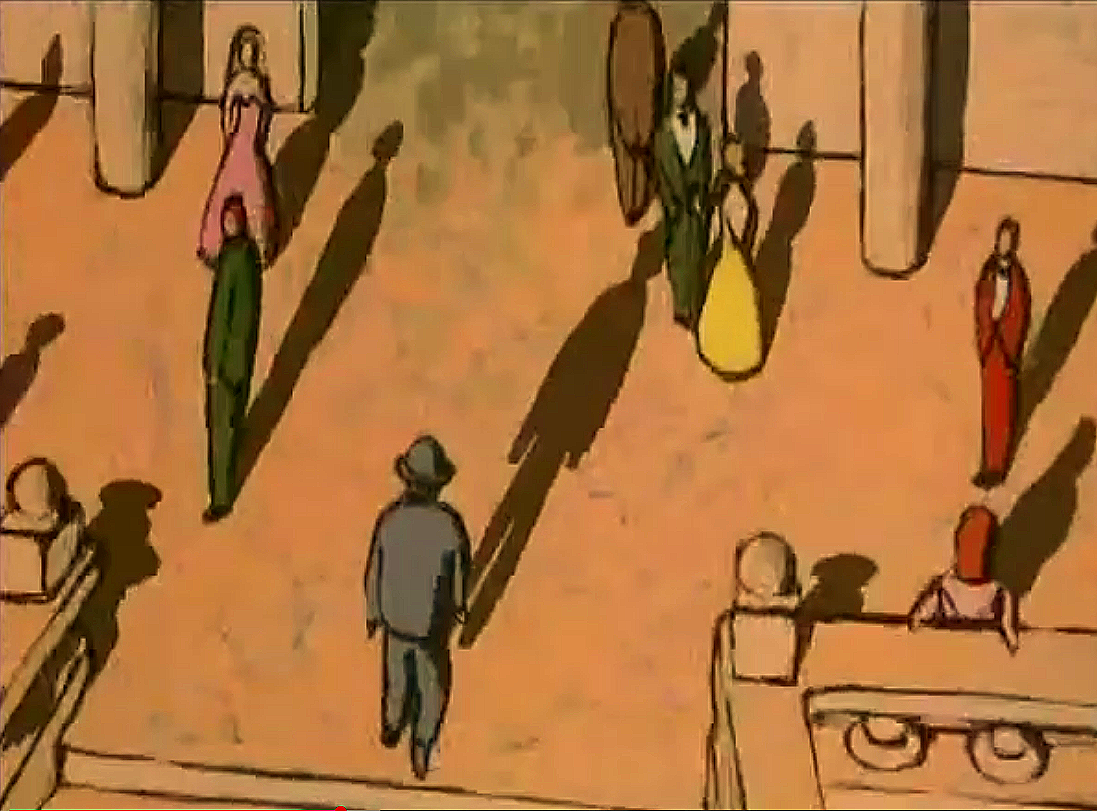
L’homme sans ombre - The Man with No Shadow - is a long-standing literary motif found in European folklore and famously explored in Adelbert von Chamisso’s 1814 novella Peter Schlemihl. In the story, a man trades his shadow to a mysterious figure for wealth. The bargain seems harmless at first. A shadow appears useless, intangible, and irrelevant to daily life. But as the story unfolds, the absence becomes a source of dread. Others recoil from him. He is treated as uncanny, incomplete, and fundamentally wrong. In losing his shadow, he has lost something essential to being human.
The moral is not subtle. What appears burdensome or meaningless may in fact be indispensable. The shadow represents the hidden, unlovely, ambiguous parts of the self: impulses, flaws, contradictions, vulnerability. To exchange it for comfort or approval is to sacrifice integrity. The more the protagonist hides his lack of a shadow, the more imprisoned he becomes. The real loss is not social acceptance but the erosion of self.
From a psychological perspective, the story can be read as an allegory of disavowed identity. Carl Jung used the term “shadow” to describe the aspects of personality that individuals reject because they conflict with their idealised self-image. These unwanted traits do not disappear when denied; they re-emerge as anxiety, projection, shame, or compulsive behaviour. The man with no shadow represents the fantasy of a purified self, stripped of complexity, contradiction, or darkness. But such purity is impossible. Psychological wholeness requires acknowledging what one would prefer to avoid. Integration, not elimination, is the necessary task.
The story may also aligns with the dangers of perfectionism, compliance, and image-driven coping. People often attempt to cut off parts of themselves to secure acceptance or avoid conflict, silencing anger to keep the peace, rejecting vulnerability to appear capable, or disowning desire to satisfy external standards. This psychological “shadow trade” appears adaptive on the surface, yet it causes fragmentation, emotional blunting, and loss of authenticity. The cost of becoming socially acceptable can be the erosion of one’s internal coherence.
There is also an existential reading. The shadow is the weight of one’s humanity: limitations, mortality, responsibility. To live without it is to live superficially. The story warns against the impulse to strip life of difficulty in pursuit of ease. Difficulty is not an obstruction to meaning but its source. A life without shadow has no depth. What makes a biography compelling or a person trustworthy is not flawlessness but the capacity to confront one’s flaws honestly.
The tale remains relevant because the modern world offers many shadow-free bargains: curated identities, algorithmic comfort, narratives of self-optimisation that promise relief from uncertainty and ambiguity. The danger is always the same. In trying to discard the parts of ourselves we dislike, we risk discarding the ground of our humanity. The man with no shadow is not an ideal but a warning.
However, like all works of art, this story remains open to interpretation. Its symbolism shifts depending on cultural context and personal experiences. No single interpretation is definitive; the meaning ultimately depends on what the narrative evokes in the reader’s own inner world.
Tidus is a registered psychologist and clinical registrar working toward specialisation in clinical psychology. His writing reflects a sustained engagement with ideas drawn from psychology, philosophy, and art. These opinion pieces are not clinical practice or therapeutic guidance; they are considered reflections informed by multidisciplinary theories and broader interests. Their purpose is to challenge assumptions, deepen understanding, and invite meaningful thought.