

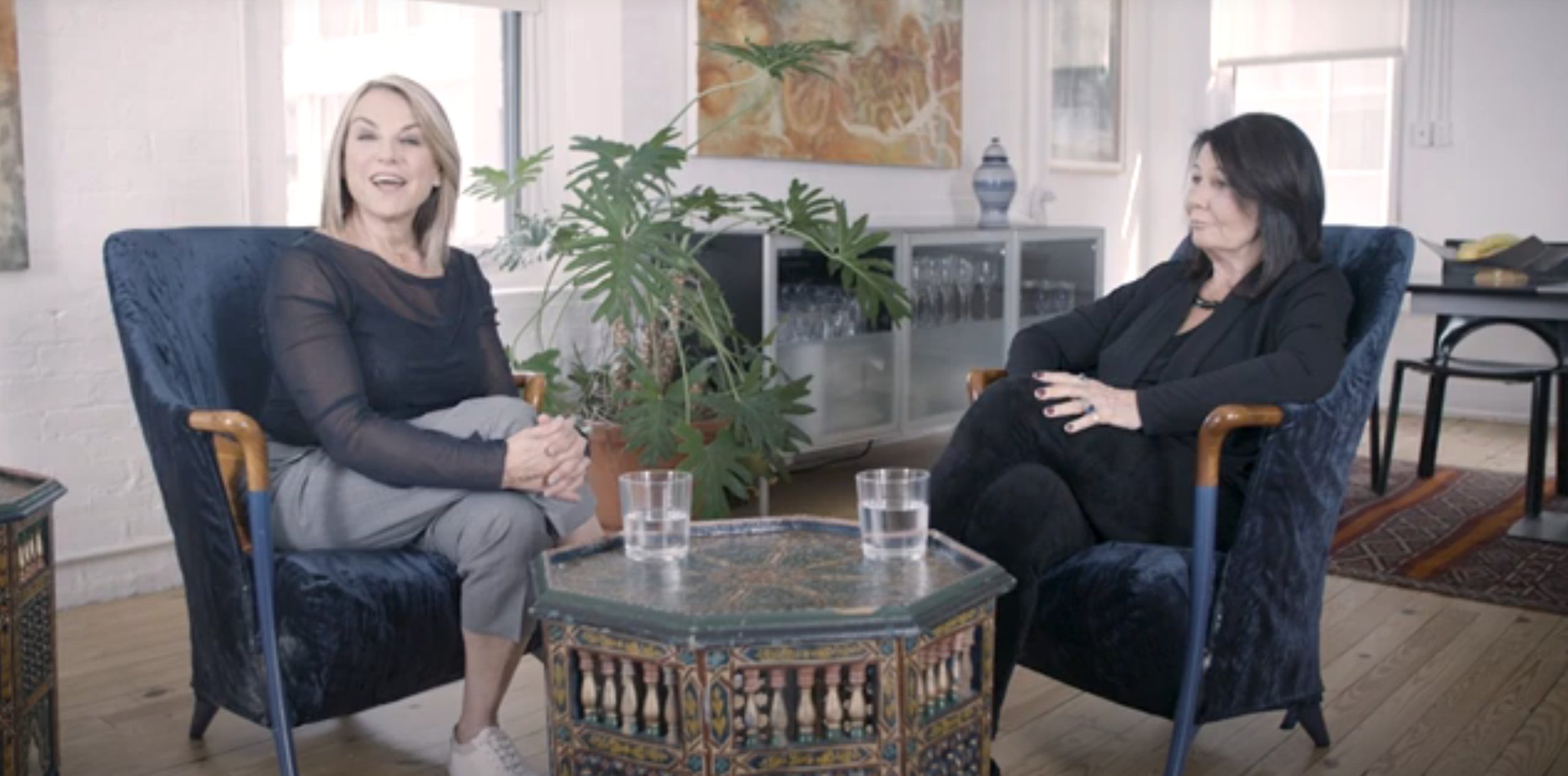
When Curiosity Meets Stigma: The Quiet Reality of Exploring Polyamory
This video explores the growing visibility of polyamory and why stigma still prevents many people from discussing or exploring consensual non-monogamy. Drawing on clinical experience and insights from experts such as Margie Nichols and Esther Perel, it highlights that polyamory is not simply about sex but about communication, emotional connection and relationship choice. The piece encourages a more informed and less judgmental understanding so individuals can explore relationship structures that genuinely align with their values, free from shame or misconception.
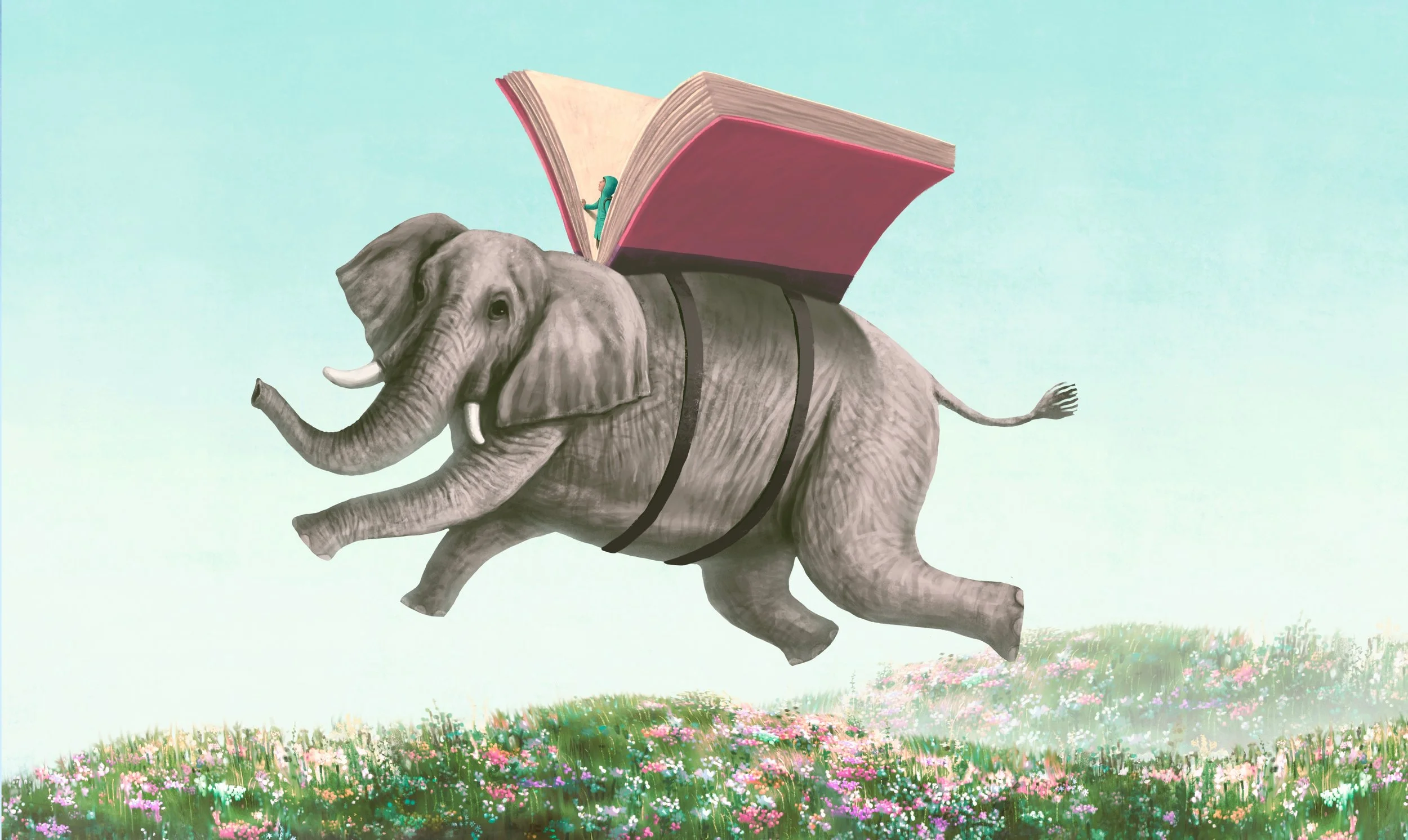
The Fear of Freedom
Many people claim to want freedom, yet quietly fear the responsibility it demands. This piece explores why the burden of choice feels so overwhelming, why so many slip into conformity instead of authorship, and how philosophers like Heidegger, Sartre, and Nietzsche reveal the hidden impulse to surrender our own agency. It traces how the avoidance of freedom becomes a self-built cage and why authenticity requires the courage to act without excuse. Read this opinion piece by Tidus as he explains why the greatest obstacle to freedom is often the wish to escape it.

What the Shadow Reveals About Being Human
Explores the enduring tale of The Man with No Shadow and its psychological, moral, and existential meaning. It examines why the shadow symbolizes the rejected parts of the self, how attempts to erase flaws lead to fragmentation, and why wholeness requires acknowledging what we try to avoid. Drawing on Jungian ideas, clinical insights, and broader cultural commentary, it argues that trading away the shadow is a warning about self-erasure rather than liberation.
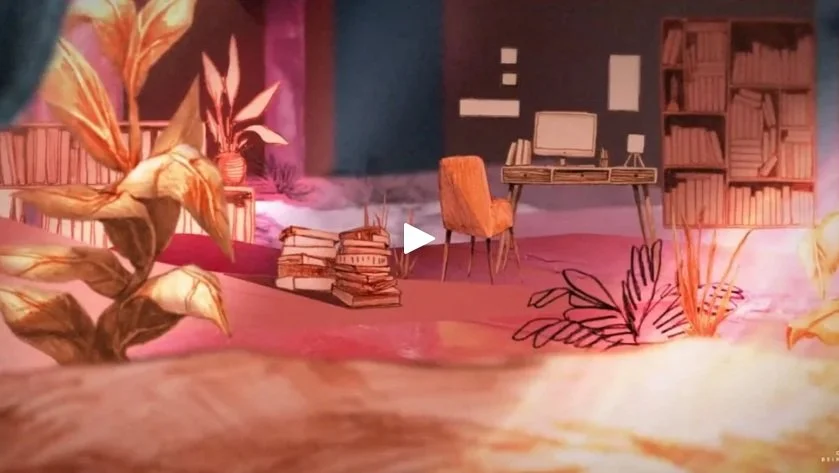
A Trans Poet Speaking Across Selves: The Tender Dialogue in “Letter to My Body”
Joy Ladin’s poem Letter to My Body, a piece that bridges past and present selves through a tender, time-folding dialogue. The animation examines how the poem captures the emotional landscape of gender transition, embodiment, and self-reconciliation, revealing the complex relationship between one’s body and identity.
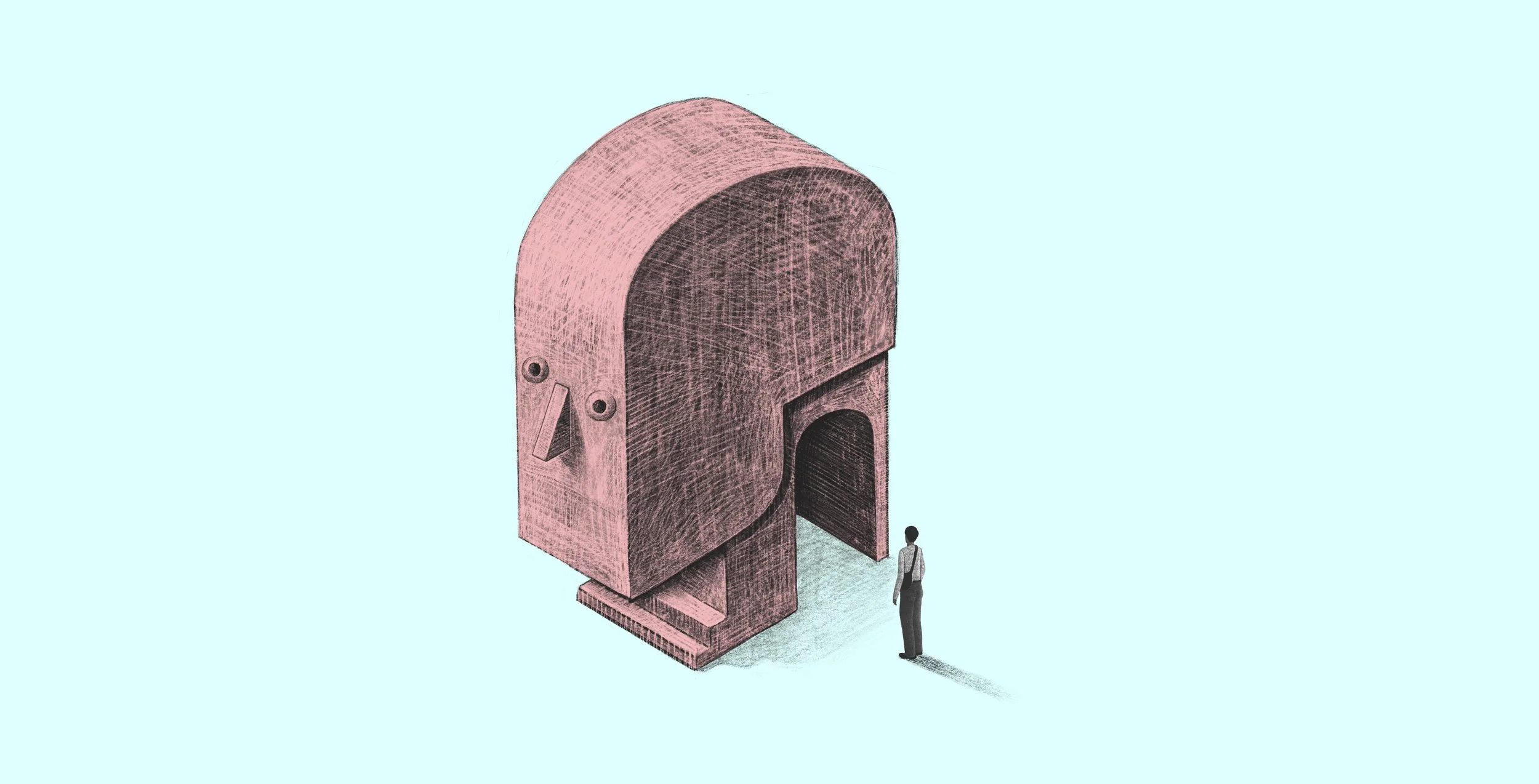
Why Psychology Is the Science We Rely on Without Realising It
We explore psychology as a scientific discipline that shapes everyday life, from brain function and behaviour to education, health, and justice. It highlights how rigorous research and clinical training underpin psychological practice, while also noting that psychological models are influenced by cultural context. The piece aims to demystify the science behind human behaviour and emphasises the importance of evidence-based understanding in supporting mental health and wellbeing.

You Don’t See the World as It Is, You See What You Expect
This piece explains how the brain shapes our reality through neural prediction, expectation, and the biology of learning. Drawing on neuroscience and psychology, it explores how genetics, stress, trauma, and personal narratives influence the models our brains build about the world. It also highlights how awareness, reframing, and intentional training can help rewrite these expectations, offering a clearer path to wellbeing and emotional flexibility.
Bringing Science Back to Psychology: Learning to Filter the Noise from the Truth
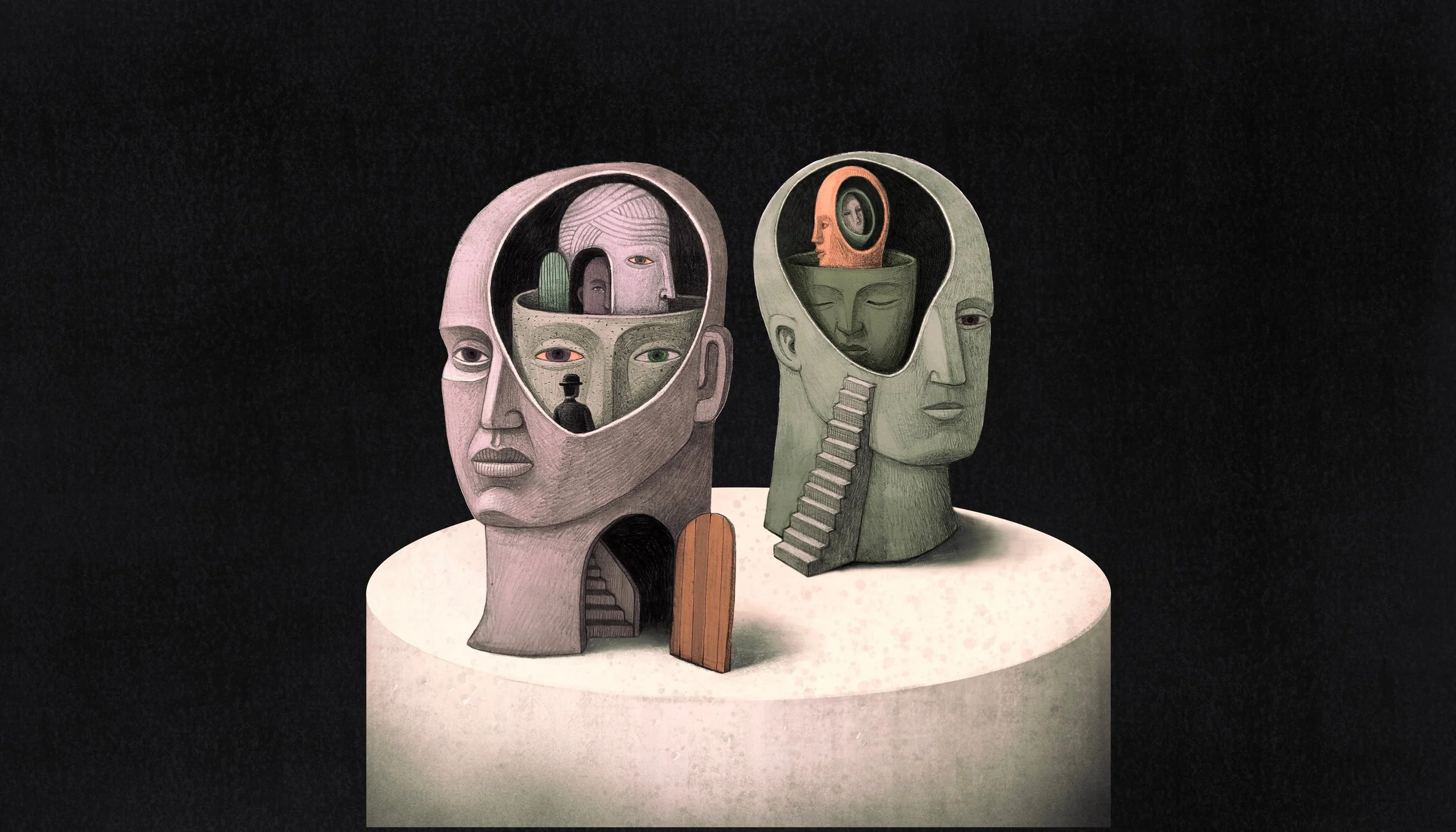
This piece explores why psychology needs a renewed commitment to scientific thinking amid the rise of pop psychology, social media advice, and corporate science-washing. It examines how misinformation spreads, why critical thinking protects wellbeing, and what genuine evidence-based practice actually requires. Written from a psychologist’s perspective, it encourages readers to filter information thoughtfully and rely on science rather than slogans.
The Deeper Kind of Happiness: Understanding Eudaimonia
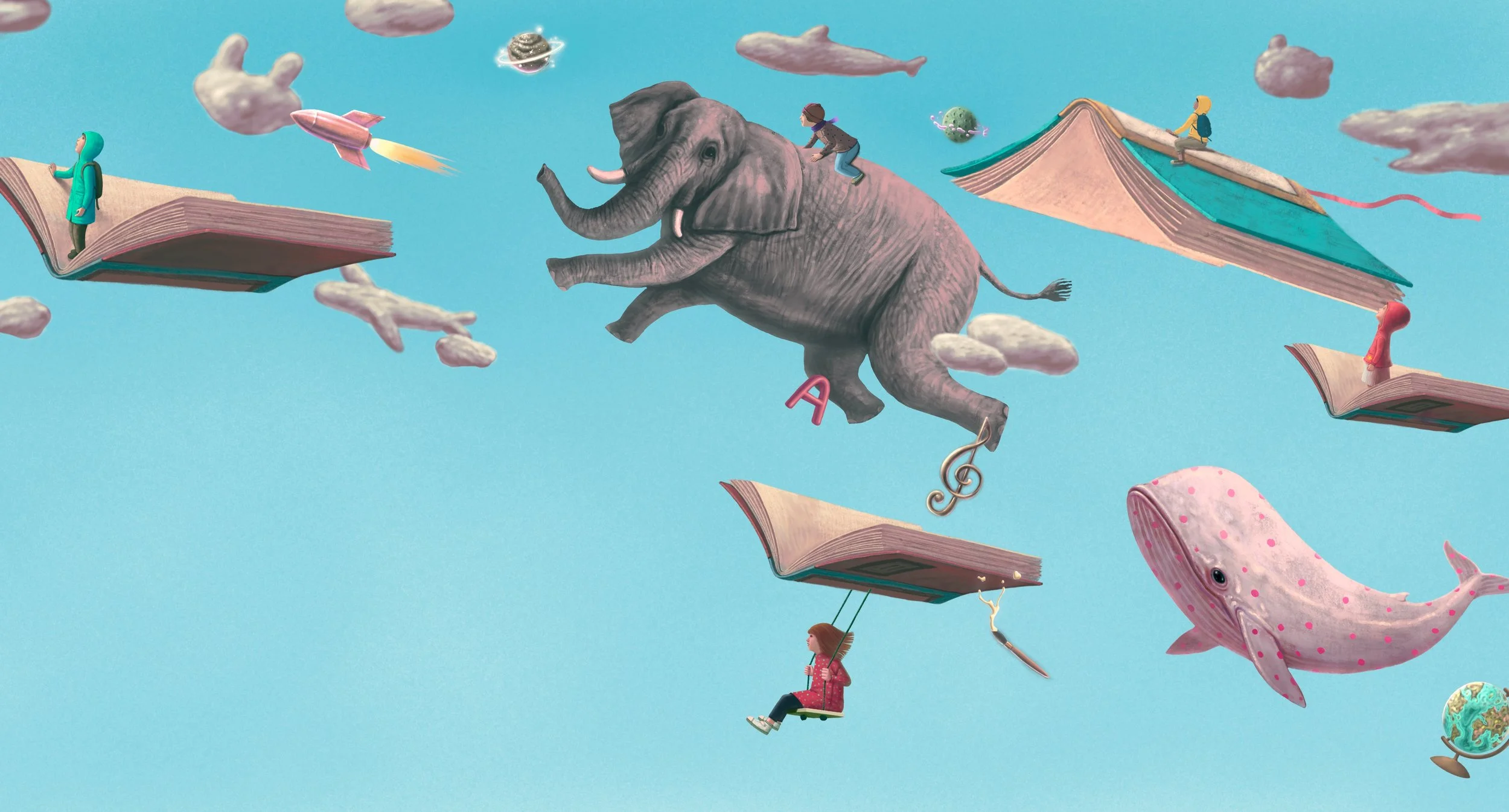
Here, I explore the concept of eudaimonia, an ancient Greek idea of wellbeing centred on authenticity, virtue, and personal growth. It explains how living in alignment with one’s values creates a deeper and more enduring form of happiness than fleeting pleasure. Drawing on both philosophy and modern psychology, the piece highlights why a meaningful life is built through intention, character, and self understanding.

How Breakups Can Help Us Grow and Find Love Again
Explores how breakups can become opportunities for personal growth, emotional insight, and healthier future relationships. Drawing on psychological principles, it highlights the value of reflection, vulnerability, and understanding one’s own contribution to relational patterns. It also acknowledges cultural and contextual differences that shape how individuals experience and heal from relational endings.

When Naming the Pain Becomes the First Step Out of It
This opinion piece explores why mental health diagnosis should not be feared and how stigma, not the diagnosis itself, often fuels anxiety and misunderstanding. It explains how naming a problem brings clarity, guides effective treatment, and helps people feel less alone, while also acknowledging the importance of context and personal choice. By reframing diagnosis as a tool rather than a label, the piece encourages a more compassionate, grounded understanding of mental health.

Relationships Matter, but so Does the Freedom to Walk Away
This opinion piece explores relational mobility, the freedom to choose and change our social relationships, and how it shapes happiness across cultures. While stable relationships are often seen as the key to wellbeing, research shows that the ability to leave harmful connections and form new ones can matter just as much. Drawing on cross-cultural psychology, this piece highlights why choice, flexibility, and the belief that new relationships are possible can significantly influence emotional wellbeing.