The Deeper Kind of Happiness: Understanding Eudaimonia

The Deeper Kind of Happiness: Understanding Eudaimonia
When people talk about happiness, they often imagine a feeling. A burst of pleasure. A moment of ease. Yet for thousands of years, philosophers have argued that the deepest form of happiness has little to do with fleeting emotion. Instead, it comes from living in alignment with one’s values, character, and purpose. This is the heart of eudaimonia, an ancient idea that remains surprisingly relevant in modern psychology.
Eudaimonia comes from the Greek words eu meaning good and daimon meaning spirit. For philosophers like Socrates, Plato, and Aristotle, it described the idea of living a life guided by virtue, wisdom, and moral character. Aristotle believed that happiness was not something we feel but something we cultivate through the way we live. Modern psychology echoes this view by linking wellbeing to authenticity, personal growth, and purposeful action.
Eudaimonia is not about chasing comfort. It is about becoming the kind of person you believe you are capable of being. Aristotle described it as living with virtue and intention. Modern psychological theories describe it as self realisation, growth, and acting in accordance with one’s authentic self. In both cases, the message is similar. A meaningful life is not built by accumulating pleasurable moments but by consistently living in a way that feels true.
In practice, eudaimonic wellbeing looks very different from the popular idea of happiness. It is the clarity that comes from knowing your values. It is the quiet pride you feel when your actions reflect your principles. It is the sense of direction that emerges when your goals are chosen rather than inherited. Hedonic pleasure provides comfort for today. Eudaimonia lays the foundation for tomorrow.
What makes eudaimonia compelling is its subjectivity. It does not prescribe a single path for everyone. Instead, it asks you to understand your strengths, your aspirations, and the things that matter to your inner life. For one person, this might involve nurturing creativity. For another, it might be contributing to community or acting with compassion. For many, it is the ongoing work of becoming more honest, more courageous, or more aligned with personal integrity.
In psychology, eudaimonic wellbeing has been linked to resilience, emotional stability, and long term satisfaction. People who invest in personal growth rather than immediate gratification often report a stronger sense of meaning and direction. They describe feeling more grounded when life becomes uncertain. They rely less on external praise and more on internal clarity.
Living eudaimonically is not easy. It requires choosing growth over avoidance. It means acting from values rather than impulse. It involves examining your motivations and accepting that progress is slow and imperfect. Yet it also opens the door to a deeper, more enduring form of wellbeing. A life that feels coherent. A self that feels known. A path that feels chosen.
Eudaimonia does not offer shortcuts to happiness. It offers something steadier. A way of living that allows you to meet yourself honestly and grow into someone you can respect. In a world that often encourages quick rewards and constant comparison, the idea of shaping a meaningful life from within is quietly radical. And quietly powerful.
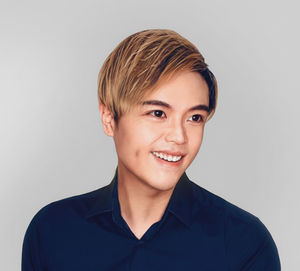
Tidus is a registered psychologist and clinical registrar working toward specialisation in clinical psychology. His writing reflects a sustained engagement with ideas drawn from psychology, philosophy, and art. These opinion pieces are not clinical practice or therapeutic guidance; they are considered reflections informed by multidisciplinary theories and broader interests. Their purpose is to challenge assumptions, deepen understanding, and invite meaningful thought.